How to Dispute an Account That Isn’t Yours
3/14/20262 min read
Understanding the Importance of Disputing Incorrect Accounts
In today’s digital age, managing your financial identity is crucial. An account that isn’t yours can negatively impact your credit score and financial stability. Disputing such an account promptly is essential not only to rectify your records but also to prevent potential issues in the future. This article will outline the steps to effectively dispute an account that does not belong to you.
Gathering Necessary Documentation
The first step in disputing an erroneous account is to gather all relevant documentation. This includes your credit report, identification proof, and any correspondence related to the account in question. Ensure you obtain a current copy of your credit report from all three major credit bureaus: Experian, Equifax, and TransUnion. Once you have reviewed the report, identify the account that is incorrectly attributed to you.
Filing a Dispute with Credit Bureaus
After gathering your documentation, the next step is to file a dispute. You can submit your dispute online, by mail, or over the phone directly with the credit bureaus. If you choose to dispute by mail, include a detailed explanation of your claim, copies of your supporting documents, and a clear request for the removal of the incorrect account. Keep in mind that you need to state that the account is not yours clearly and substantiate this claim with proper evidence.
Contacting the Creditor
In addition to disputing with credit bureaus, it’s advisable to contact the creditor associated with the inaccurate account. Request validation of the debt and assert that this account does not belong to you. Make sure to send your request via certified mail so you have proof of your communication. If the creditor cannot validate the account, they are obligated to remove it from your credit report.
Following Up on Your Dispute
After initiating the dispute process, it is vital to keep track of your case’s progress. Credit bureaus are legally required to investigate any disputes within 30 days of filing. Monitor your credit report for any changes to ensure that the erroneous account is rectified. If the account is not removed after the investigation, you have the right to add a consumer statement to your credit report, outlining your dispute.
Seeking Legal Advice if Necessary
If your attempts to dispute the account are unsuccessful, consider seeking legal advice. A consumer rights attorney can provide guidance on how to proceed further, including possibly filing a complaint with the Consumer Financial Protection Bureau (CFPB) or taking legal action against the creditor for inaccuracies.
Conclusion
Disputing an account that isn’t yours may seem daunting, but by carefully following the steps outlined above, you can efficiently address the issue. Taking action not only helps protect your financial integrity but also reinforces your rights as a consumer. Stay proactive in managing your credit and ensure the accuracy of your financial history.
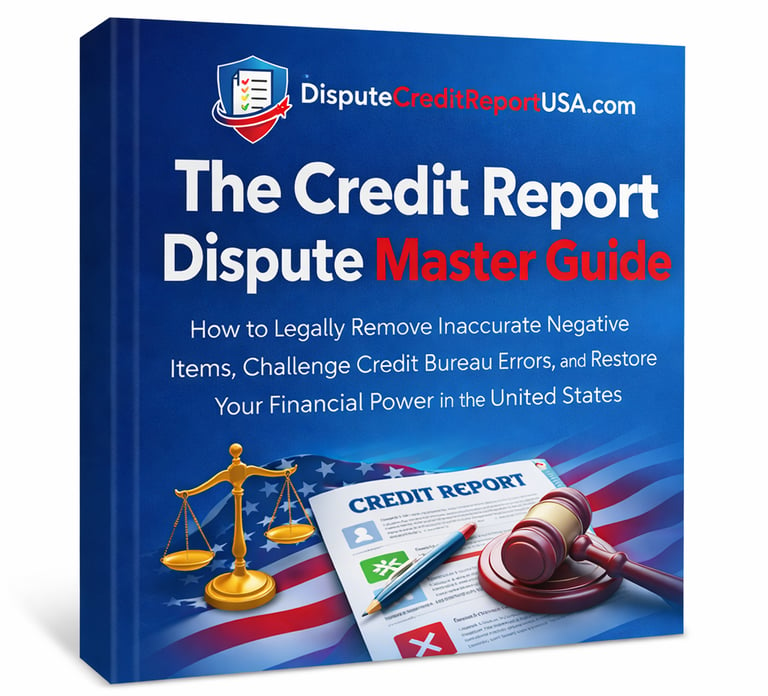
Stop letting the banks rob you in broad daylight! Your low credit score is a scam, and you're paying for it every single month. Grab 'The Credit Report Dispute Master Guide' NOW and shred those errors before they destroy your future. Click the link and take your damn money back!
https://disputecreditreportusa.com/the-credit-report-dispute-master-guide-2026
Help
Questions? Reach out anytime.
infoebookusa@aol.com
© 2026. All rights reserved.